



A Conservation Perspective on Value and Survival of Historic Silverware
Silver has been prized for millennia, serving as a store of wealth for more than 4,000 years. Yet throughout history, vast quantities of historic silverware has been lost. For instance, significant amounts of Georgian silver were destroyed during the twentieth and early twenty-first centuries, often quietly and irreversibly.
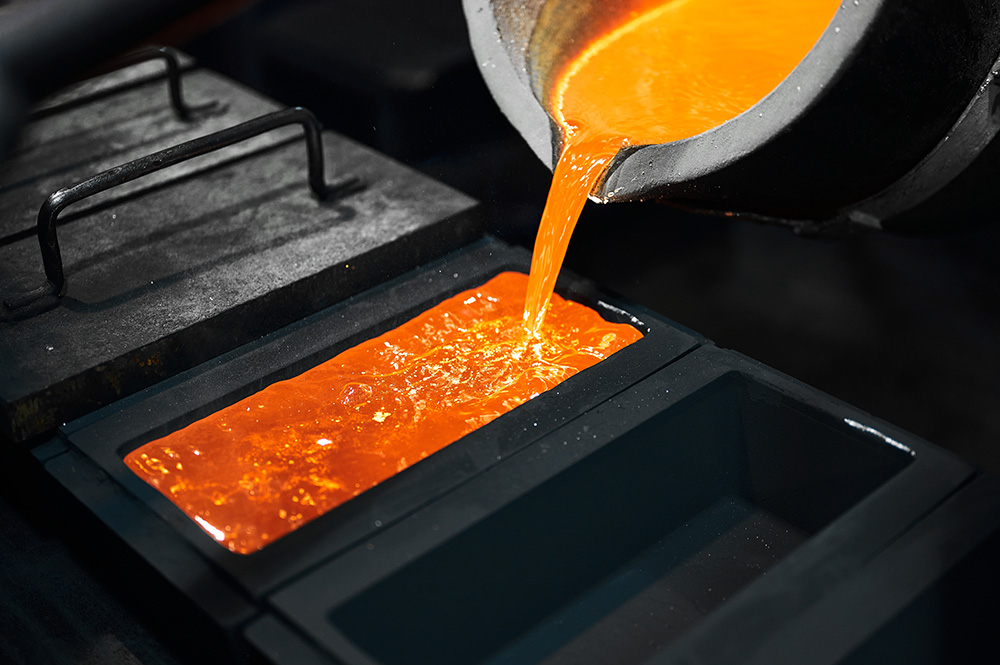
The primary driver of this loss has been financial scrapping, which occurs when the intrinsic metal value of an object outweighs its perceived antique value. Plain candlesticks, flatware, and domestic wares were particularly vulnerable. Changing fashions also played a role, with Georgian pieces frequently melted down to create objects better aligned with later tastes. From a fine-art conservation perspective, every melted object represents a permanent loss of craftsmanship, material knowledge, and historical context.
Today, pressure on silver is intensifying once again. Over 50% of global demand now comes from industrial uses, particularly solar panels, electric vehicles and electronics, where silver’s unrivalled electrical and thermal conductivity makes it indispensable.
At the same time, silver has attracted renewed investor interest due to its relative affordability, growth potential, and volatility. In January alone, silver prices surged by approximately 40% and while prices are now dropping the prices for precious metals are still at a historically high level. This volatility further heightens the risk that historic objects may be assessed by weight alone rather than cultural significance.
Silver can be mined again or reclaimed from industrial processes. Historic silverware cannot.
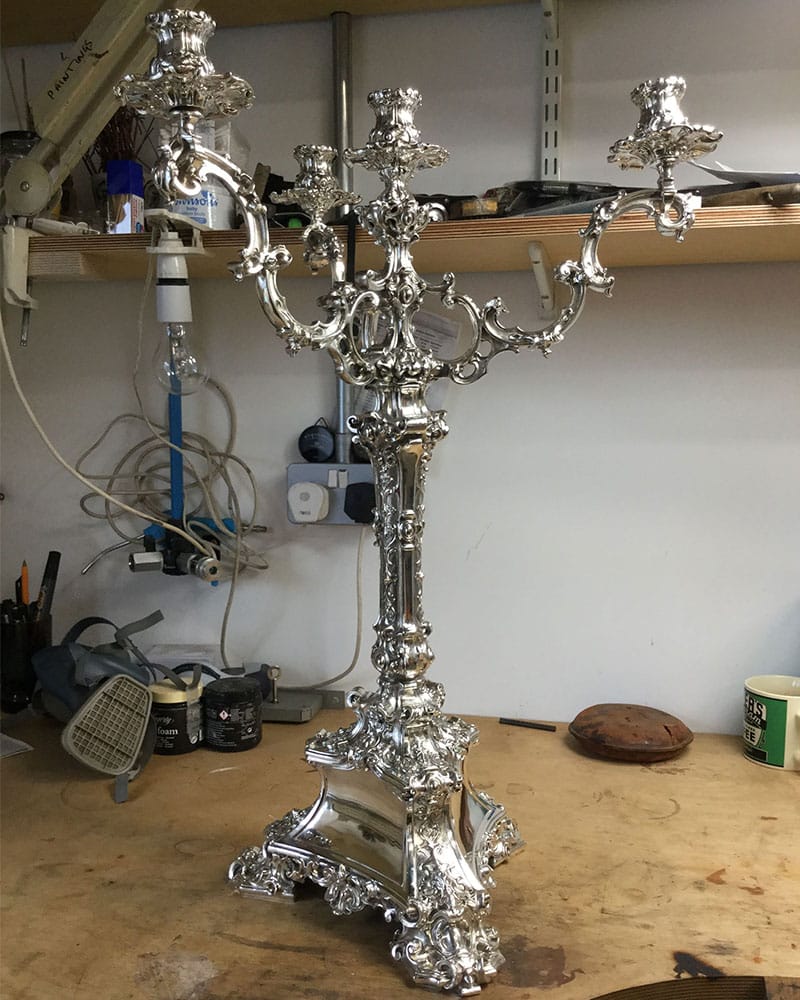
An impressive silver candelabrum after treatment in our silver restoration workshop
To find out more about our silver restoration services, including dent removal, repairing cracks and breaks, restoring silverware, renewing silver plating and gold plating on silver-gilt items please visit our Silver Restoration page or contact our team to make an enquiry.
This article was written by Alessandro Borruso, director of business development at Plowden & Smith. Alessandro is a distinguished jewellery expert and former Deputy Director at Sotheby’s (2017–2024), specializing in rare coloured diamonds and high-jewellery.